It’s a well-established fact that adults need sufficient sleep for optimal health and wellbeing. However, according to the American Sleep Association, over 35 percent of adults report getting less than the recommended seven hours of shut-eye each night, and 50 to 70 million American adults have a sleep disorder. Even seemingly innocuous sleep problems like snoring can cause problems in the workplace and personal life. Some experts say that eating raw food could be the answer to many of these issues.
Sleepless Nights And Vitamin Therapy
Studies have shown that consuming more fiber leads to better quality sleep. And raw food isn’t just rich in fiber — many are also rich in tryptophan, the amino acid that enhances the production of serotonin (a mood regulator) and melatonin (a sleep hormone). Foods like butternut squash, walnuts, and sea vegetables like kelp and seaweed are great sources of tryptophan. Melatonin can also be found in cherries.
A raw food diet can also increase REM sleep, which is also the sleep stage characterized by dreams. There are several theories about the importance of dreams, but many experts theorize that this is how our brains process and store information. Nutrients like Vitamin B6 (which can be found in foods like bananas, avocados, and green vegetables) and calcium (which can be found in dark leafy vegetables like kale and broccoli) can deepen REM sleep, making dreams more vivid, sometimes even up to the point that dreams become lucid. Lucid dreaming can be therapeutic, and even inspiring, which is why many actively try to take control of their dreams.
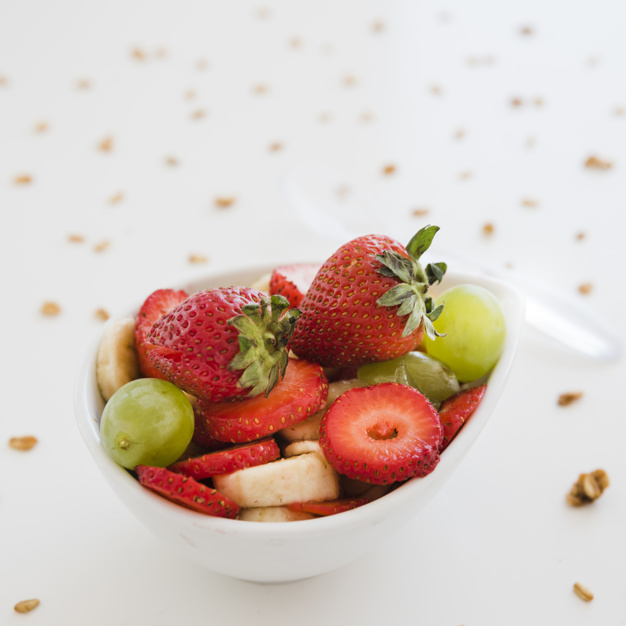
Other nutrients that promote better sleep include magnesium, which extracts calcium from muscles and back into the bloodstream, resulting in better sleep. Magnesium-rich foods include berries and melons. Vitamin D is also said to help regulate sleep patterns, and can be found in mushrooms.
Do People On A Raw Food Diet Need Less Sleep?
Because sleep is when the body heals and cleanses itself, a clean, raw diet results in less need for sleep. It’s not unheard of for people on raw food diets to feel completely energized on just a few hours of sleep. However, this won’t happen every day. Some days, when the body has gone into deep cleansing, you may feel completely knackered. Whatever the case, listen to your body — sleep if you need to sleep, and don’t force it if you feel well-rested on barely any shut-eye.
While a raw food diet can greatly improve your sleep quality, it’s also possible that an unbalanced raw diet can disturb your sleep. This is especially common in people who are trying to lose weight with raw foods, as they tend to intentionally eat a low-calorie diet, and a calorie deficit usually leads to cravings and sleep problems. When switching to a raw food diet, it’s wise to consume even more food to meet your body’s caloric requirements. But if you feel like you’re not ready to adopt a completely raw diet, simply increasing servings of nutritious raw food can make a difference in your sleep quality.

Raw Food Diet and Sleep: What the Research Shows
Several nutrients abundant in raw plant foods have well-established links to sleep quality. Magnesium, found in high concentrations in leafy greens, pumpkin seeds, and almonds, plays a key role in regulating the nervous system and is associated with deeper, less interrupted sleep. Tryptophan — the amino acid precursor to serotonin and melatonin — is present in bananas, dates, and raw nuts, all staples of a raw food diet.
Melatonin, the hormone that governs the sleep-wake cycle, is also found naturally in tart cherries, grapes, and tomatoes. Eating these raw preserves the melatonin content that cooking can degrade. While the amounts in food are smaller than supplement doses, consistent dietary sources may support the body’s natural melatonin production over time.
Raw Foods That May Help With Insomnia
If you’re dealing with sleep issues, these raw foods are worth prioritizing:
- Tart cherries — one of the few food sources of natural melatonin. A small handful or a few ounces of tart cherry juice in the evening is commonly recommended.
- Bananas — rich in magnesium and potassium, which help relax muscles and nerves. Also contain tryptophan.
- Raw pumpkin seeds — exceptionally high in magnesium and zinc, both linked to better sleep quality in multiple studies.
- Walnuts — contain their own melatonin as well as omega-3 fatty acids that support serotonin production.
- Kiwi — studied specifically for sleep. One small trial found that eating two kiwis per night for four weeks improved both sleep onset and duration.
- Leafy greens (spinach, kale, Swiss chard) — among the highest food sources of magnesium per calorie.
Raw Food Diet and Insomnia: What to Watch For
A raw food diet generally supports better sleep for most people — but there are a few things to watch for, especially if you’re transitioning from a standard diet:
- Caloric intake — raw food diets can be low in calories if not planned carefully. Undereating disrupts sleep hormones and can cause wakefulness at night from low blood sugar.
- Evening meal timing — raw foods digest faster than cooked foods. A light raw meal 2–3 hours before bed tends to work better than a large one close to bedtime.
- Caffeine from raw cacao — raw cacao is a raw food staple but contains theobromine and caffeine. Limit raw chocolate desserts in the evening if sleep is a concern.
Frequently Asked Questions
Can a raw food diet help with insomnia?
It can, especially if your current diet is heavy in processed foods, refined sugar, and alcohol — all of which disrupt sleep architecture. The high magnesium content of raw plant foods, combined with natural tryptophan and melatonin sources, creates a nutritional environment more conducive to restful sleep. Results vary by individual and depend heavily on overall caloric intake and meal timing.
What raw foods are highest in melatonin?
Tart cherries are the most studied food source of melatonin. Grapes, tomatoes, walnuts, and certain varieties of rice also contain measurable melatonin. Among raw food staples, tart cherries and walnuts are the best options to include if sleep support is a goal.
Does eating raw at night affect sleep differently than cooked food?
Raw foods generally digest faster than cooked foods, which means less digestive activity while you sleep — a potential advantage for sleep quality. However, very high-fiber raw meals eaten too close to bedtime can cause discomfort. A moderate raw meal 2–3 hours before sleep tends to work best.
Is a raw food diet good for people with sleep apnea?
Indirectly, yes. A raw food diet tends to be lower in calories and higher in fiber than a standard diet, which can support weight management. Excess weight — particularly around the neck and throat — is a primary risk factor for obstructive sleep apnea. Any dietary approach that helps maintain a healthy weight may reduce sleep apnea severity over time, though it is not a direct treatment.
Tools & Ingredients We Recommend
Everything below is handpicked for the raw food lifestyle. We may earn a small commission if you purchase through our links — at no extra cost to you.
Leave a Reply